
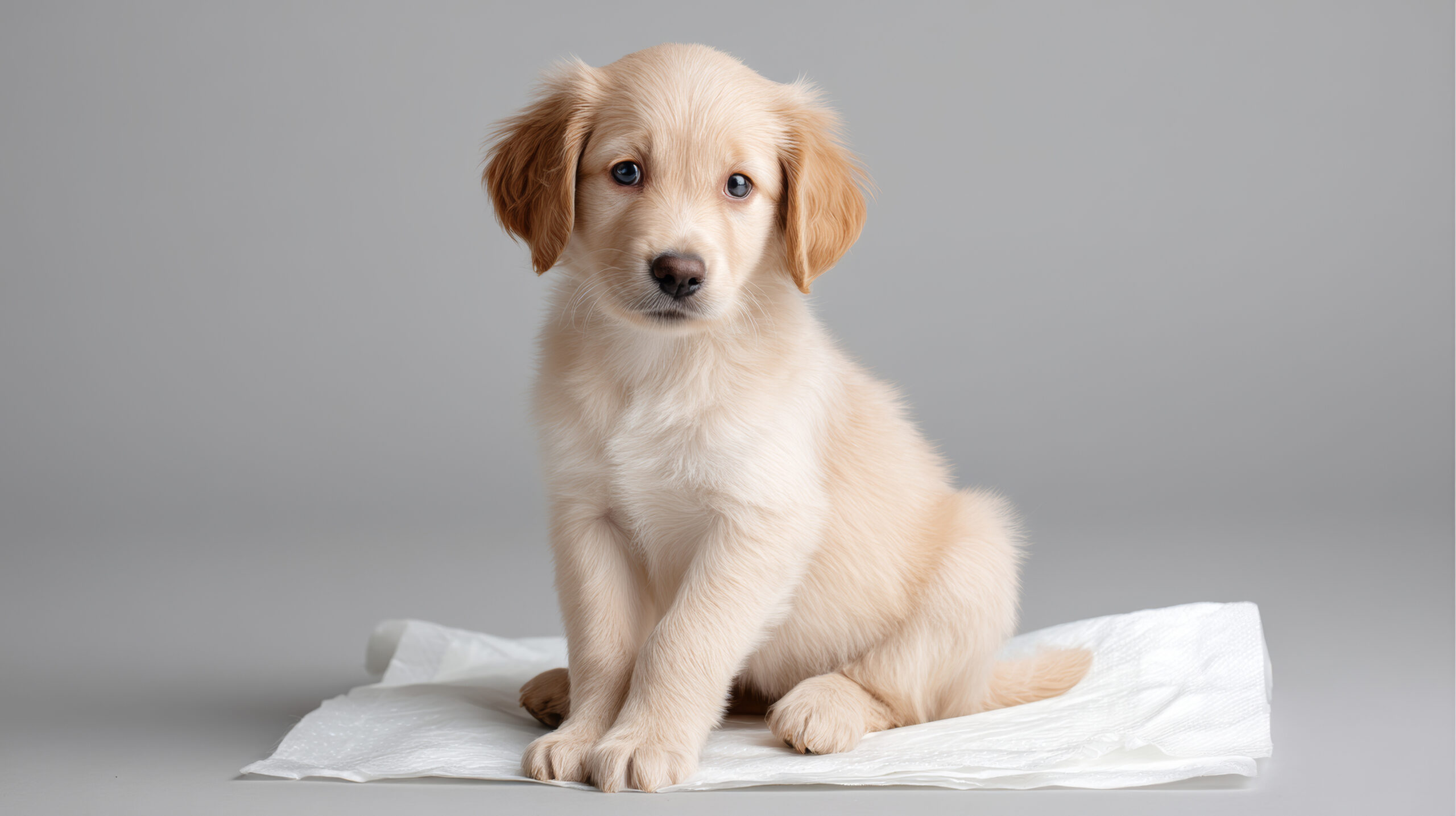
Why Crate Training is the Best Way to Potty Train Your Puppy
Potty training a new puppy can feel overwhelming, but crate training is one of the most effective methods for housebreaking. Puppies naturally avoid soiling their sleeping area, so a well-sized crate encourages bladder control, reduces indoor accidents, and provides a safe, comfortable space for your puppy.
At Rock Creek Puppies, our puppies are raised in clean, nurturing environments. This early socialization and positive exposure to crates make potty training faster and more successful for families bringing home Mini Goldendoodles, Mini Aussiedoodles, or Labrador Retrievers.
How Puppies Learn to Potty
How Long Can Puppies Hold It?
Puppies don’t have full bladder control until several months old. A general rule: they can hold it for one hour per month of age. For example, a 3-month-old puppy can usually wait about three hours.
Signs Your Puppy Needs a Potty Break
Even with a crate, your puppy may signal when they need to go:
- Sniffing or circling inside the crate
- Whining or pacing
- Sudden pauses in play or anxious behavior
Respond quickly by taking your puppy outside to a designated potty spot. Immediate praise for outdoor success helps reinforce the habit.
Step-by-Step Guide to Crate-Based Potty Training
1. Choose the Right Crate
A good crate is:
- Big enough for your puppy to stand, turn around, and lie down comfortably
- Cozy, not isolating
- Used for naps, downtime, and bedtime — never as punishment
Introduce your puppy gradually, using treats, toys, and praise. Let them explore it on their own before closing the door.
2. Create a Consistent Schedule
Routine is critical for potty training. Take your puppy out:
- First thing in the morning
- After meals and naps
- After playtime
- Right before bedtime
Feed your puppy at consistent times and track potty breaks. Consistency accelerates housebreaking and helps your puppy anticipate when it’s time to go.
3. Use the Crate Strategically
- Start with short periods in the crate (30–60 minutes), gradually increasing as your puppy adapts
- Keep the crate near your bed at night to hear any stirring
- Supervise your puppy when out of the crate and respond quickly to potty signals
Crate time encourages your puppy to hold it naturally because dogs instinctively avoid soiling their den.
4. Reward Success
Immediate rewards reinforce potty behavior:
- Treats for food-motivated breeds like Labradors
- Praise or belly rubs for Goldendoodles and Aussiedoodles
Timing is everything — reward your puppy within three seconds of going potty. Avoid punishment; accidents are part of learning.
Common Crate Training Challenges
- Indoor Accidents: Even with crate training, accidents happen. Stay calm, clean thoroughly with enzymatic cleaners, and keep a close eye on your puppy.
- Nighttime Accidents: Young puppies may need a nighttime potty break. Crate placement near your bed can help.
- Fear of Outdoors: Pair crate breaks with outdoor potty trips and calm reassurance to create positive associations.
With patience and consistency, most puppies learn to hold it during crate time within 4–6 weeks.
Breed-Specific Tips for Potty Training
Mini Goldendoodles and Mini Aussiedoodles
- Highly intelligent and eager to please
- Respond well to praise and positive reinforcement
- Short, frequent crate sessions with rewards accelerate learning
Labrador Retrievers
- Respond well to routine and food rewards
- Crate training paired with structured potty schedule works best
- Consistent timing and predictable outdoor trips help them adapt quickly
Real-Life Example: Luna the Mini Aussiedoodle
A family in Nebraska brought home Luna, a Mini Aussiedoodle from Rock Creek Puppies. By following a crate-focused potty training plan — consistent schedule, crate use between meals, and immediate praise for outdoor success — Luna was nearly 100% housebroken in just two weeks!
Frequently Asked Questions
Is crate training required for potty training?
Not required, but highly recommended. It promotes structure, reduces accidents, and keeps your puppy safe.
How long does potty training take?
Most puppies are reliable within 4–6 weeks when crate training is combined with consistency and positive reinforcement.
Can older puppies be crate trained?
Yes! The same principles — routine, rewards, and patience — work at any age.
What if my puppy has frequent accidents?
Shorten time between potty breaks, check your schedule, and clean thoroughly. Persistent issues may require a vet visit.
Key Takeaways for Successful Crate-Based Potty Training
- Be consistent: Routine is the foundation of successful housebreaking
- Use the crate: Encourages natural bladder control
- Reward success immediately: Positive reinforcement strengthens habits
- Stay patient: Every puppy learns at their own pace
- Keep training positive: Avoid punishment to build trust and confidence
Crate training is the fastest, safest, and most effective way to potty train puppies of all breeds. With structured routines, positive reinforcement, and a cozy crate, your puppy will learn quickly, stay confident, and thrive in their new home.
Ready to Start Potty Training Your Puppy?
At Rock Creek Puppies, all our Mini Goldendoodles, Mini Aussiedoodles, and Labrador Retrievers are raised with hands-on care and early socialization — making crate training easier for your family.
👉 View Available Puppies
👉 Contact Us About Upcoming Litters and Nationwide Delivery